

What is Fascia?

By Cristina Minoletti
Fascia is a connective tissue located throughout our bodies. It is a complex and continuous web that encases all our organs, muscles, bones, and other structures. It provides support, stability, and flexibility.

• Fascia is made up of both collagen and elastin fibres, as well as a fluid called ground substance that consists of water, hyaluronic acid, and organic molecules.
• Fascia is highly innervated with sensory receptors. It responds to changes in pressure, pain, position, and temperature.
• Fascia can store and release potential energy, as well as distribute strain across a wider area which assists in movement and stability.
When our fascia is healthy, it is supple, well hydrated, and the fibres are organised. It allows our muscles and organs to slide over each other smoothly and easily, giving us our maximum range of motion.
When our fascia becomes restricted, can lose flexibility, create areas of excess tension and eventually causing us pain.
How does Fascia become restricted?
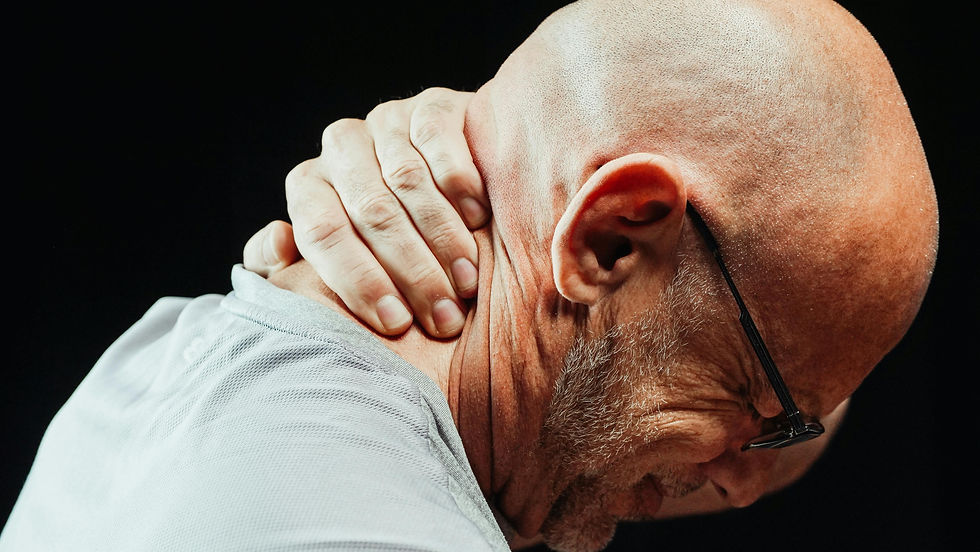
If we think about how we use our bodies in our daily lives, we may recognise that we are often repeating the same motions or staying in one position for a long time. For instance, the motion of picking up our children, or sitting in front of a computer for work.
To create more stability to support these common positions and movements in our lives, the fascia responds by laying down more collagen fibres. This makes the area stronger, but creates restrictions in movement, as the tissue becomes denser and less elastic.
Accidents and surgeries can also affect the fascia. Scar tissue is extremely dense and therefore can affect how the fascia is able to move. We may also become more protective of an injured area. Known as armouring, this creates tension that can continue for long after the healing process has completed.
Our fascia is also deeply connected to our Autonomic Nervous System. This system is responsible for controlling our responses to the outside environment. Whether we are safe and can therefore rest and replenish, or under stress, in danger and have to be ready to react quickly.
If we perceive continuous stress or danger, our bodies remain alert and primed to react. This in turn causes the fascia to become stiff and tense, resulting in pain and restriction.
How Myofascial Release Can Help

• Skin-rolling is a form of myofascial release where the skin is picked up and manipulated. It creates space, encourages the production of hyaluronic acid, and is great for breaking up adhesions (knots).
This technique may feel quite intense, especially in areas with a lot of restriction. But I will communicate with you throughout to ensure your comfort.
• Myofascial Release Stretch uses gentle, slow, and sustained pressure into the fascia, creating a stretch that seeks to warm the tissues, increasing circulation, allowing more nutrients into the area, and also increasing the length of the collagen fibres, creating lasting change to the mobility of the tissue.
It is deeply calming. As the fascia reacts to the slow, melting pressure, it stimulates the parasympathetic (rest and replenish)
side of the Autonomic Nervous System, giving signals to the body to relax and let go.
Let me know during your consultation, if you feel Myofascial Release may be able to help you!
Other Ways To Help Your Fascia Get And Stay Healthy
Yoga
For those looking to start working with their fascia, Yin Yoga is great. Its slow pace makes it easy to follow for beginners, and the longer 3+ minute poses are great for creating that initial change to the length of the fascial fibres.
For those looking to maintain the health of their fascia, the flow of Vinyasa Yoga warms the fascia, increasing circulation and tissue hydration.
Foam Rollers/Massage Balls
Foam Rollers and Massage Balls are highly effective tools for breaking up adhesions (knots), increasing circulation and tissue hydration.
By slowly rolling the Foam Roller or Massage Ball over the muscle, and pausing at any tender spots for 20-30 seconds, you are:
• Increasing circulation to the fascia and muscle tissue.
• Sending signals to the Autonomic Nervous System to relax and replenish.
• Separating the stuck fibres of any adhesions
Keep Moving/Drink Water
Drinking Water is essential to keep all the systems of the body hydrated. However, without movement, fluids like lymphatic fluid and the ground substance in fascia are not being moved along by the body, so they are not replenished and the water you drink becomes just a waste product.
Make sure you are also moving regularly and not staying in one position for too long.

Comments